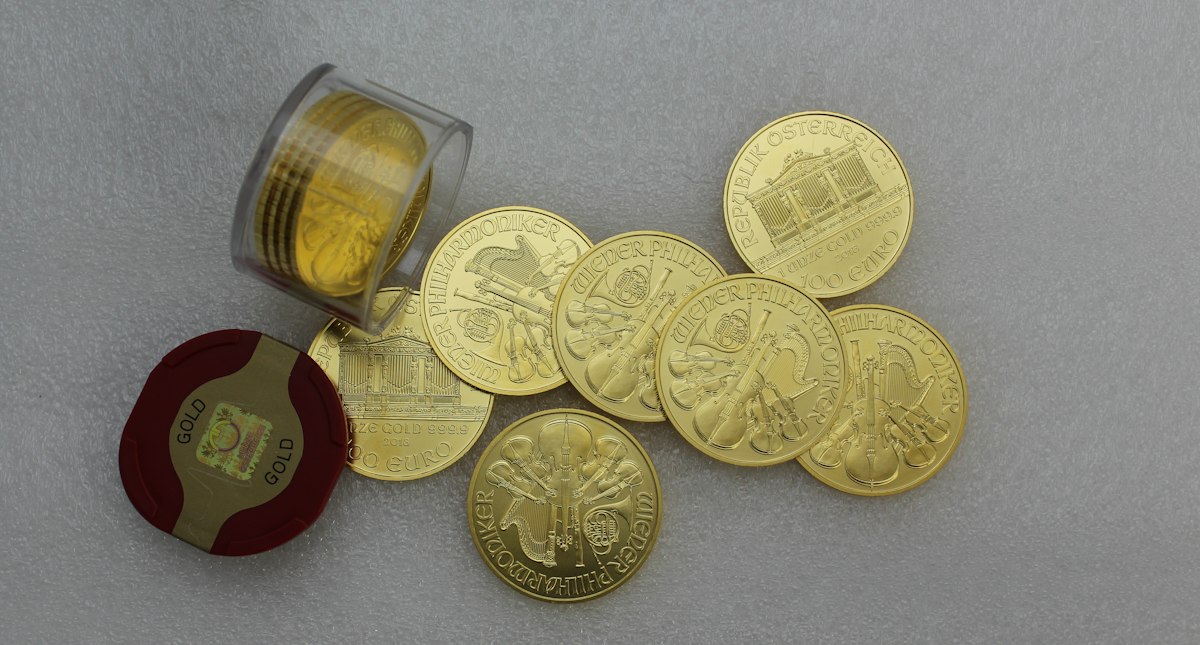
Bullion describes a buying focus
A bullion coin is typically considered for its metal content, with its market price also including a premium. It can still have a carefully produced design, and its condition still matters. The word bullion does not establish the exact purity, weight or current selling price of a particular issue.
Proof describes manufacture
Proof coins are produced with specialised preparation and striking techniques to create a particular finish. Proof is not simply another word for perfect condition. A proof coin can have handling marks or other imperfections, and the original presentation materials may matter to collectors.
Graded describes an assessment
A third-party grading service assesses a coin and records its attribution and condition on a holder label. NGC uses PF for proof and MS for Mint State; PCGS commonly uses PR for proof. The numerical grade, any designation and the certification number should be read together.
Use all three ideas when comparing
Compare like-for-like issues and finishes. Check the holder and certification record, then ask how much of the price reflects the metal and how much reflects collector demand. Neither proof manufacture nor a high grade provides a promised resale value or a guaranteed investment return.
BEFORE YOU DECIDE
Understand the product.
Ask about the details.
Request a current written quotation and confirm all charges, availability and fulfilment terms. Precious metals can fall in value. Collector premiums may not be recovered on resale.
SPEAK TO OUR TEAMGeneral educational information, not financial, investment or tax advice. Consider your circumstances, conduct independent research and seek qualified advice where appropriate. Past performance does not indicate future results. Tax rules and product specifications should be checked at the time of purchase.